Weather Details & Aloha Paragraphs
Posted by GlennNovember 4-5 2007
Air Temperatures – The following maximum temperatures were recorded across the state of Hawaii Sunday:
Lihue, Kauai – 79
Honolulu, Oahu – 78
Kaneohe, Oahu – 76
Kahului, Maui – 75
Hilo, Hawaii – 82
Kailua-Kona, Hawaii – 82
Temperatures ranged between these warmest and coolest spots near sea level at 4 a.m. Monday:
Kahului, Maui – 73F
Lihue, Kauai – 69
Precipitation Totals – The following numbers represent the largest precipitation totals (inches) during the last 24 hours on each of the major islands, as of Monday morning:
1.08 LIHUE AIRPORT, KAUAI
8.49 KANEOHE MCBH, OAHU
5.75 MOLOKAI
2.79 LANAI
0.57 KAHOOLAWE
1.61 MAHINAHINA, MAUI
2.24 PALI 2, BIG ISLAND
Weather Chart – A low pressure system just to the west of the state of Hawaii will keep our winds on the light side, blowing out of the east to SE, depending upon where you are…more breezy on the Big Island end of the chain. Here’s the latest (automatically updated) weather map. Here’s a Weather Map Symbol page for clarification about what all those weather symbols mean on the map.
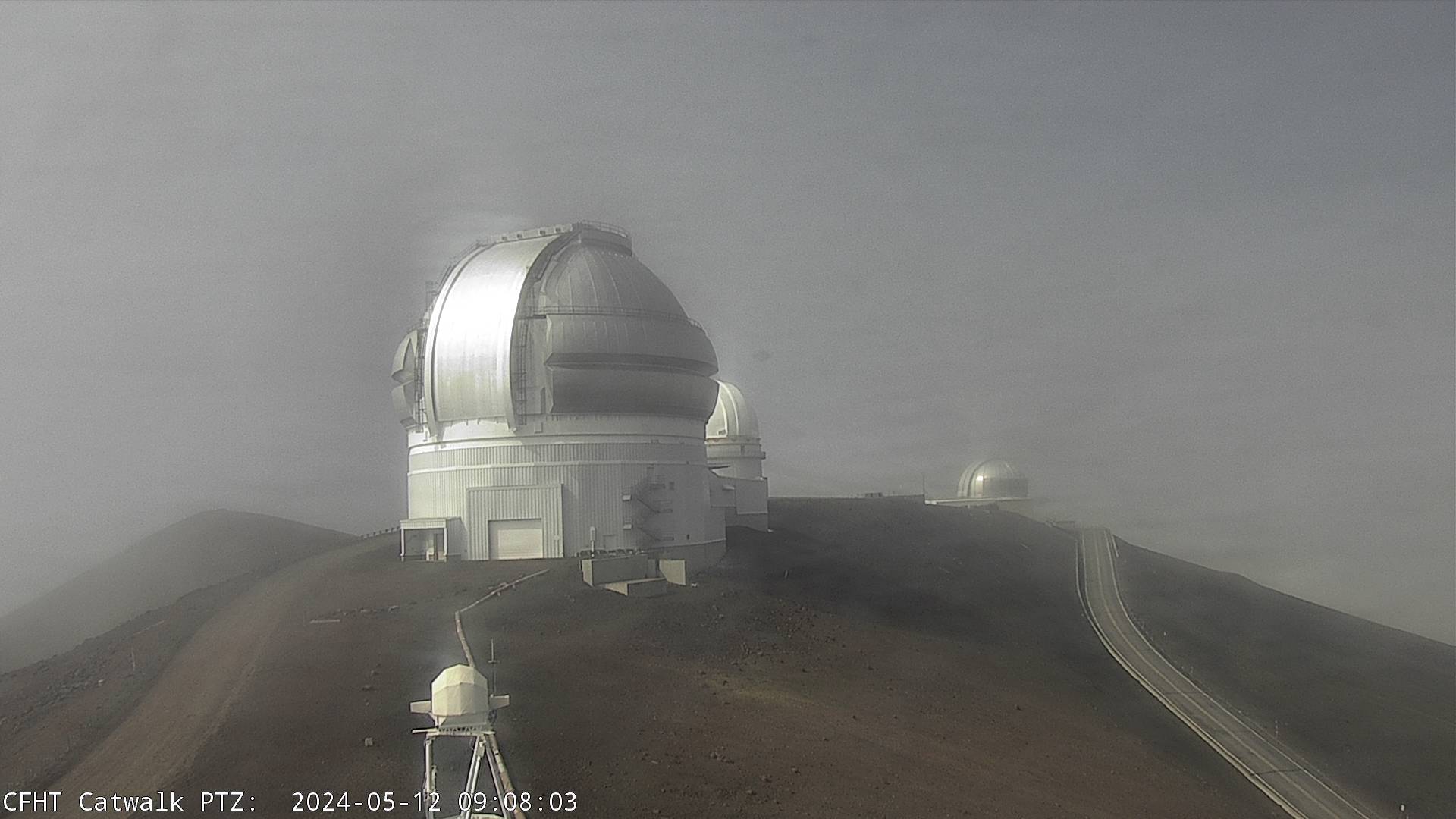
Hawaii’s Mountains – Here’s a link to the live webcam on the summit of near 14,000 foot Mauna Kea on the Big Island of Hawaii. The tallest peak on the island of Maui is the Haleakala Crater, which is near 10,000 feet in elevation. These two webcams are available during the daylight hours here in the islands…and when there’s a big moon rising just after sunset for an hour or two! Plus, during the nights and early mornings you will be able to see stars, and the sunrise too…depending upon cloud conditions.
Tropical Cyclone activity in the eastern and central Pacific – Here’s the latest information coming out of the National Hurricane Center, covering the eastern north Pacific. You can find the latest tropical cyclone information for the central north Pacific (where Hawaii is located) by clicking on this link to the Central Pacific Hurricane Center. Here’s a tracking map covering both the eastern and central Pacific Ocean.
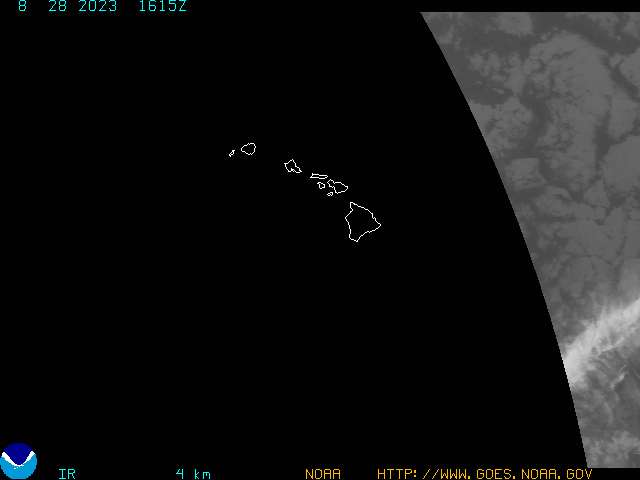
Satellite and Radar Images: To view the cloud conditions we have here in Hawaii, please use the following satellite links, starting off with the Infrared Satellite Image of the islands to see all the clouds around the state during the day and night. This next image is one that gives close images of the islands only during the daytime hours, and is referred to as a Close-up visible image. This next image shows a larger view of the Pacific…giving perspective to the wider ranging cloud patterns in the Pacific Ocean…out from the islands. To help you keep track of where any showers may be around the islands, here’s the latest animated radar image.

Rainy weather in Hawaii
photo credit: flickr.com
Inclement weather conditions with periods of heavy rain, along with localized flooding will continue across the Hawaiian Islands. A Kona low continues slipping down into the area WNW of the Hawaiian islands Sunday evening, which is adding instability to our overlying atmosphere as we move through the next couple of days. This unstable air mass will provide possible heavy showers, with localized flooding over into Tuesday. The NWS has continued the flash flood watch for the entire state of Hawaii through Tuesday night, which escalated into a flash flood warning at times during the last 24 hours.
This unsettled weather pattern will include southeast to south winds across the islands. Winds coming in from this direction help to draw up rich moisture from the deeper tropics, which help to feed showers that form over the Aloha state. The combination of the tropical moisture from our southeast and south, and the instability caused by the Kona low’s cold air aloft to our WNW…is what is prompting our locally heavy showers now, with thunderstorms at times as well.
This is the first major rain storm of the autumn season here in Hawaii. We’re looking for a final end to what turned out to be quite a dry summer on some of the islands…where drought conditions prevailed locally. The heaviest showers initially occurred on Kauai and Oahu, although the rest of the state saw precipitation spreading down through the island chaing Sunday afternoon into the evening hours.
Flash flooding occurred in some places…so everyone should remain alert for weather related problems. The air aloft has been cold enough to cause the seasons first snowfall atop the summits on the Big Island. The Haleakala Crater on Maui was too far below the freezing level to see any of that white stuff however. It will likely take until the middle of the new week ahead for these inclement weather conditions to move away completly. We can look for improvement to occur around Wednesday, when the trade winds will return, and drier weather moves back through the remainder of the week.
It’s Sunday evening here in the islands, as I write this last paragragh of this narrative update. As you can see from this looping satellite image, we have a major amount of tropical moisture being drawn up over the islands from the southwest by the counterclockwise rotating Kona low pressure system to the west-northwest of Kauai. That image shows a certain amount of clearing behind the main cloud band wrapping into the Kona low. Although, the unstable air mass should keep at least periodic showers, and even some heavy ones moving up over the state from the west for the time being. In addition, here’s a looping radar image (you need to refresh this image if you’ve already looked at it before) as well. ~~~ As evidence of this wet weather, the windward side of Oahu, received 14.29 inches of heavy rain during the last 24 hours! The area of rain has moved down over the southern part of the state, and will continue its path down over the Big Island into Sunday night. ~~~ I’ll be back early Monday morning with your next new weather narrative, including more cutting edge information about this wet weather pattern. Aloha for now…Glenn.
 Email Glenn James: